Skip to content
Try Now
Products
Solutions
Industries
Use Cases
About
Knowledge
Try Now
Octoplant - The operational control layer for OT
Octovision - Enterprise Visibility & Vulnerability for OT
Innovation
Backup & Recovery for any OT Device
Production Resilience & Recovery
OT Change Management & Version Control
OT Compliance & Regulatory Readiness
Enterprise OT Visibility & Risk Management
OTSSM – OT Service and Security Management
Data foundation for Industrial AI
Automotive
Energy & Utilities
Food & Beverage
Machine & Plant Engineering (OEM)
Manufacturing
Pharma
Automotive OEM
Automotive Suppliers
Food & Beverage
Pharma
Consumer Goods
Wastewater & Utilities
Transport & Logistics
About AMDT
Partner Network
Service and Support
Careers
Contact
Products
Octoplant - The operational control layer for OT
Octovision - Enterprise Visibility & Vulnerability for OT
Innovation
Solutions
Backup & Recovery for any OT Device
Production Resilience & Recovery
OT Change Management & Version Control
OT Compliance & Regulatory Readiness
Enterprise OT Visibility & Risk Management
OTSSM – OT Service and Security Management
Data foundation for Industrial AI
Industries
Automotive
Energy & Utilities
Food & Beverage
Machine & Plant Engineering (OEM)
Manufacturing
Pharma
Use Cases
Automotive OEM
Automotive Suppliers
Food & Beverage
Pharma
Consumer Goods
Wastewater & Utilities
Transport & Logistics
About
About AMDT
Partner Network
Service and Support
Careers
Contact
Knowledge
Choose language
News & Press
AMDT strengthens product and innovation leadership
News & Press
-
1st September 2026
Read more
Locked out of your own control systems?
News & Press
-
7th August 2026
Read more
Europe’s Security Requires a Resilient Industrial Sector.
News & Press
-
1st August 2026
Read more
The Blind Spot in OT Asset Inventory.
News & Press
-
2nd June 2026
Read more
APIOT: Autonomous AI Attacks Reach the Industrial OT Layer.
News & Press
-
27th May 2026
Read more
MAC Solutions elevated to Preferred Partner status.
News & Press
-
13th May 2026
Read more
OT Security Between Regulation and Economic Viability.
News & Press
-
29th April 2026
Read more
Celebrating Octoplant’s Partner Award Winners.
News & Press
-
27th April 2026
Read more
Octoplant spring release (107).
News & Press
-
7th April 2026
Read more
Manufacturing Remains a Prime Ransomware Target.
News & Press
-
4th April 2026
Read more
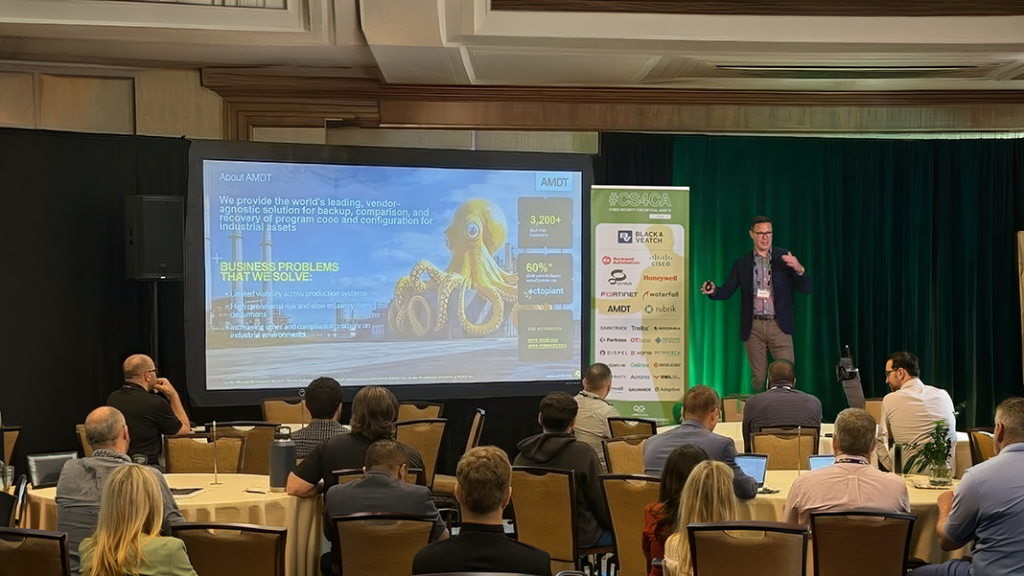
AMDT Highlights Enterprise-Scale OT Security at CS4CA.
News & Press
-
16th March 2026
Read more
When OT Becomes a Risk.
News & Press
-
11th March 2026
Read more
OT Adoption Emerges as a Prerequisite for Industry 4.0.
News & Press
-
28th February 2026
Read more
Recap of SPS Nuremberg 2025.
News & Press
-
12th December 2025
Read more
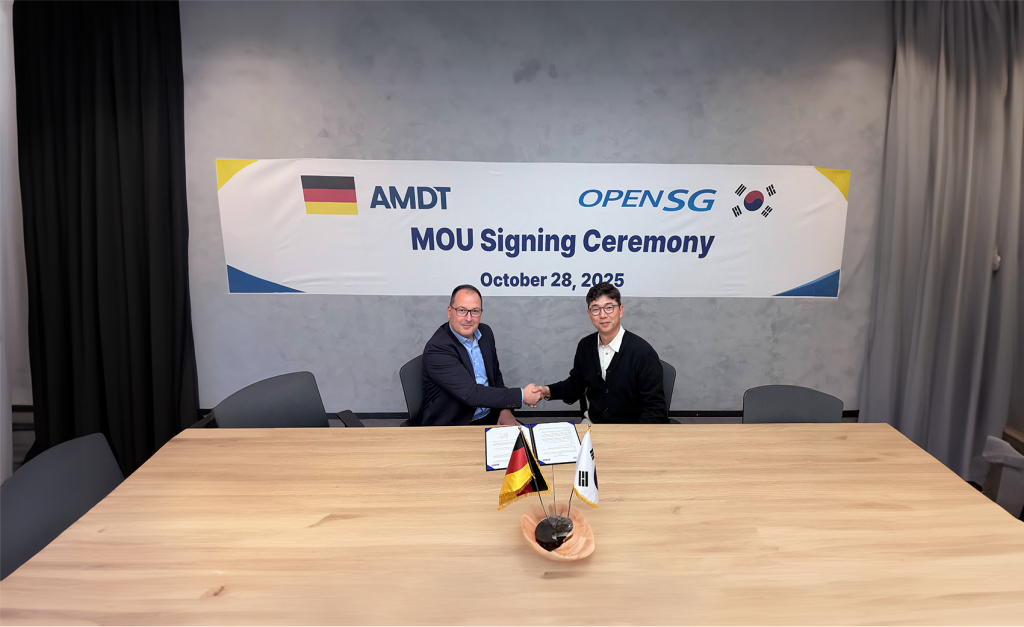
AMDT and OpenSG Join Forces.
News & Press
-
19th November 2025
Read more
NNIT Singapore joins the Octoplant Partner Network.
News & Press
-
18th November 2025
Read more
AMDT SUPERCLUB Barcelona 2025.
News & Press
-
30th October 2025
Read more
Octovision: A New Dimension of OT Visibility.
News & Press
-
6th October 2025
Read more
AMDT Expands C-Level Leadership Team.
News & Press
-
26th August 2025
Read more
Choose your language
Language
English
Deutsch
日本語
Confirm